
Plastic Repair FAQ: Everything You Need to Know About Plastic Welding Repairs
Plastic welding can seem unfamiliar if you’ve never used it before. This plastic repair FAQ answers the questions we hear most often from customers, covering everything from cost and turnaround time to which items we repair.
What Is Plastic Welding?
Plastic welding is a repair process that fuses new plastic material into a crack, puncture, or break at a molecular level. Unlike glue or tape, which sit on the surface, a weld becomes part of the item itself. As a result, the repair is durable and, in many cases, as strong as the original material.
What Items Can You Repair?
One of the most common topics in any plastic repair FAQ is simply what we can fix. We repair a wide range of plastic items, spanning automotive, marine, and industrial equipment. This includes:
- Car bumpers, front panels, and door panels
- Fuel tanks
- Radiator water reservoirs (water tanks)
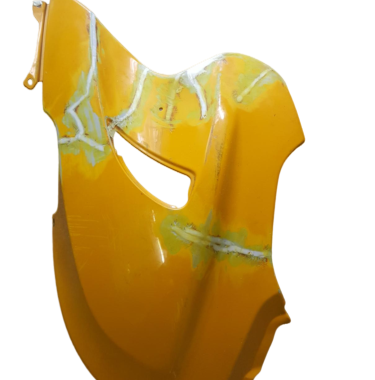
- Motorcycle fairings
- Kayaks, canoes, and other watercraft
- Mixer drums
- Pool filter tanks
- Washer bottles and air filter boxes
- Intake manifolds and tappet covers
- Headlight housings and brackets
- Mirror covers and door handles
- Sump guards and spraying tanks
- Fan shrouds and mudguards
- Loader mudflaps
- Roof boxes
- Spare wheel covers
This list isn’t exhaustive. We work across almost any industry, not just automotive, and repair most types of plastic. If your item isn’t listed here, get in touch and send us a photo, and we’ll assess it.
Which Types of Plastic Can Be Welded?
Most common plastics are weldable, including polyethylene (PE), polypropylene (PP), ABS, and polycarbonate. However, not every plastic responds the same way. Because of this, we assess each item individually to confirm the material and choose the right welding technique before we start. For a closer look, see our article on which types of plastics can be welded.
How Strong Is a Welded Repair?
It’s one of the first things people ask in any plastic repair FAQ: will it actually hold? When we weld a repair correctly, it’s often as strong as the surrounding material — and sometimes stronger. That’s because the weld fuses with the plastic itself, rather than sitting on top of it like a patch. So, unlike glue or fibreglass repairs, a weld won’t peel or lift over time. We cover this in more detail in our article on plastic welding durability, strength, and longevity.
How Much Does a Repair Cost?
Cost is one of the most common plastic repair questions we get. It depends on the size, location, and complexity of the damage, as well as the type of plastic involved. A small crack costs far less to repair than a large puncture or a structural break. To get an accurate price, send us a photo of the damage, and we’ll provide a quote — most quotes take less than a day to put together.
Do You Repair Fuel Tanks?
Yes. We regularly repair cracked and punctured fuel tanks — one of the plastic repair questions we field most often. Because fuel tanks must be completely watertight and safe to use, we thoroughly test every repair before we return it. If you’re unsure whether your tank can be repaired, contact us with a photo, and we’ll let you know. Read more in our dedicated guide: Can You Repair a Plastic Fuel Tank?
How Long Does a Repair Take?
Turnaround time depends on the job’s size and complexity. We often complete small repairs within a day or two, while larger or more complex items may take longer. We’ll always give you a realistic timeframe once we’ve assessed your item.
Is Plastic Welding Better Than Glue or Fibreglass?
In most cases, yes. Glue and fibreglass patches sit on the surface of the plastic, so they can crack, peel, or fail — especially under stress or repeated flexing. Welding, on the other hand, fuses new material directly into the damaged area. As a result, the repair moves and flexes with the item instead of fighting it. It’s one of the most common plastic repair questions customers ask when comparing options.
Plastic Repair FAQ: How Do I Know if My Item Can Be Repaired?
In many cases, we can repair a cracked, punctured, or broken plastic item with plastic welding— as long as the plastic is weldable and there’s enough surrounding material to work with. The most reliable way to find out is to send us a photo of the damage. We’ll look at the plastic type, the size and location of the break, and how you plan to use the item afterwards. From there, we’ll give you an honest answer on whether welding is the right fit, or whether replacement makes more sense for your situation.
Do You Offer a Courier Service Outside Cape Town?
Yes. While we’re based in Cape Town, we also serve customers in Durban and Johannesburg through our courier service. Simply courier your item to us, and we’ll send it back as soon as the repair is complete.
How Do I Get a Quote?
Getting a quote is simple, and it’s usually the final step after working through this plastic repair FAQ. Contact us with a description and a few photos of the damage, and we’ll get back to you with a price and an estimated turnaround time.
Wrapping Up This Plastic Repair FAQ
That covers the questions we hear most often, from cost and turnaround time to which plastics and items we work with. Whether you’re dealing with a cracked bumper, a punctured kayak, or a leaking fuel tank, plastic welding is often a faster, cheaper, and more sustainable choice than replacing the item outright — supporting the kind of plastics recycling and reuse that Plastics SA champions nationally. If you still have questions after reading this plastic repair FAQ, get in touch, send us a photo and a short description of the damage, and we’ll get back to you with honest advice and a fair quote.
More Plastic Repair Questions?
If you didn’t find the answer you’re looking for, contact us directly — we’re happy to help.
